
Learning Beyond the Classroom:
How the BRISWA 2.0 Course Is Transforming Anti-Racism Education
Introducing a dynamic, simulation-driven curriculum designed to analyze systemic bias and co-create evidence-based policies.
What if you could explore the real-world impact of social policies before they are even implemented? What if learning about social justice meant actively testing strategies rather than just reading theories in a textbook? The BRISWA 2.0 course offers exactly that: an immersive learning experience combining academic knowledge, practical activities, and interactive digital tools.
In a world where racism continues to shape institutions, opportunities, and everyday experiences, understanding how discrimination operates is more critical than ever. Rather than focusing solely on static theory, the BRISWA 2.0 course encourages students to investigate how racism functions within social systems, public policies, and institutions, while developing the practical skills needed to drive positive change. The course challenges learners to tackle real-world issues head-on, through collaborative debates, contemporary case studies, and hands-on policy simulations, participants build the critical thinking skills needed to drive actual systemic change.
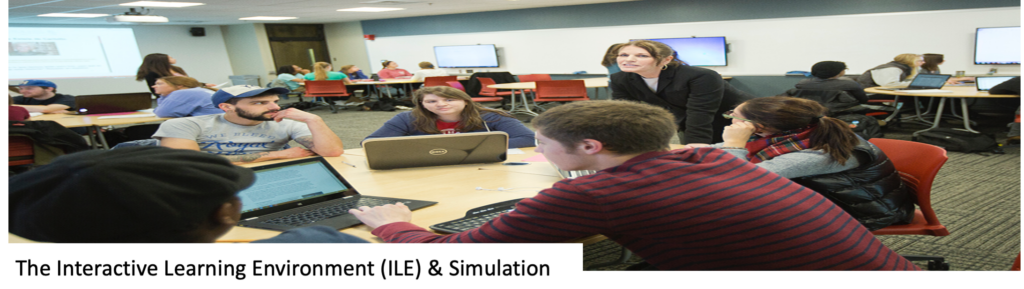
One of the most innovative outcomes of the project is the development of the Interactive Learning Environment. Built on robust systems dynamics principles, this digital environment is designed to support evidence-based anti-racism policy design in football and the broader sporting system.
However, rather than viewing racist incidents as isolated, random events, the platform visualizes the complex, interconnected relationships between fans, football clubs, governing bodies, reporting systems, institutional trust, and enforcement mechanisms. It provides a safe, risk-free space where stakeholders and students can test anti-racist strategies such as educational campaigns, reporting channels, and disciplinary sanctions and observe their long-term effects on fan behavior and radicalization.
BRISWA 2.0 merges interactive technology with research to empower learners to actively design and advocate for fairer, more inclusive institutions. By driving evidence-based policymaking and systemic dialogue, its Interactive Learning Environment is laying the groundwork for a future where equality is deeply embedded in both sport and academia.